
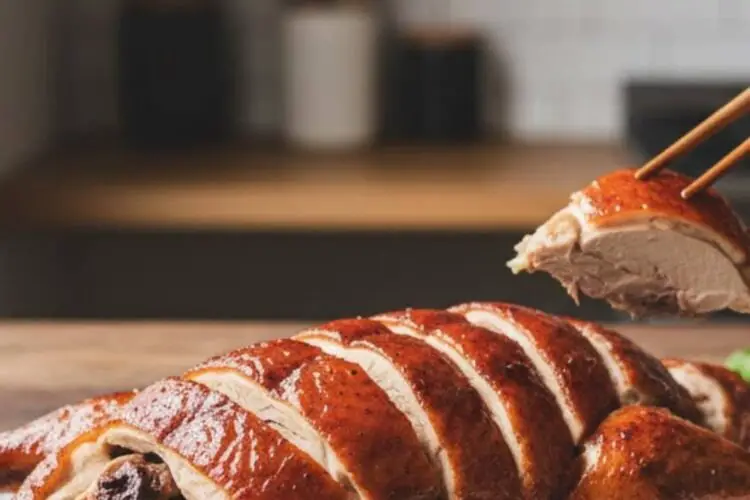
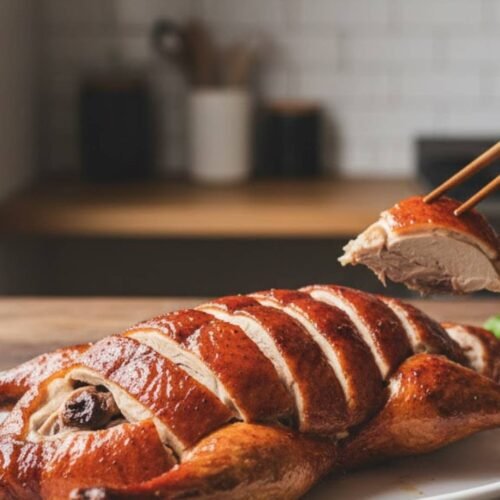
When I think about a warm summer evening, nothing quite captures the mood like gathering friends and family around the table to share a meal that feels special. Enter Asian Roast Duck! Whether it’s served with fluffy jasmine rice or wilted bok choy lightly sautéed with garlic, this dish brings a feast-like atmosphere to the table. I can almost hear the excitement in the room as the aroma of perfectly roasted duck wafts through the air, igniting everyone’s appetite.

Asian Roast Duck is a celebration of flavors and cooking techniques. With crispy skin and tender meat that’s bursting with savory notes, this dish can elevate any gathering or simply make a weeknight dinner feel luxurious. This recipe doesn’t just taste good—it’s designed for those who appreciate deep, satisfying flavors.
You Might Like These Recipes!
Asian Eggplant Recipes Healthy Recipe
What is Asian Roast Duck?
Asian Roast Duck (or Peking duck) is a traditional dish known for its crispy skin and rich taste. The duck is prepared through a process that involves marination, air-drying, and careful roasting to achieve that coveted texture. The use of aromatic spices and sauces adds complexity to the dish, making it a show-stopping centerpiece.
Why This Recipe Works?
The secret behind this flavorful duck lies in its marinade, which combines sweet, spicy, and umami elements. The process of air inflating the duck ensures that the skin crisps up beautifully, separating it from the fat beneath. This step is minor but crucial—it’s where that delightful crunch comes from. The broth made from warming water, vinegar, and maltose not only tightens the skin but also imparts a beautiful color. Each component of this recipe works in harmony, making the Asian Roast Duck irresistibly delicious.
What You’ll Need to Make This Dish
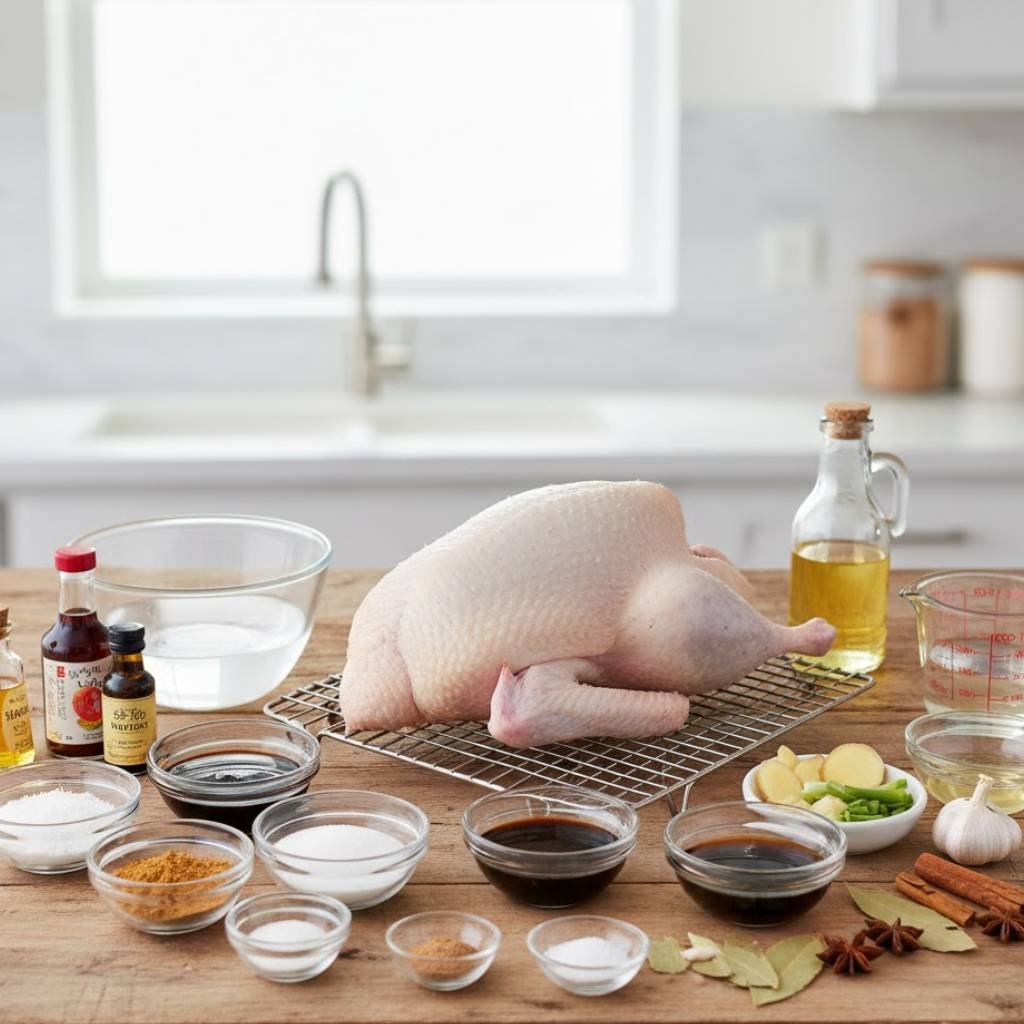
Here’s what you’ll need for making this succulent dish:
– 1 Whole Pekin duck (about 5-6 pounds)
– ½ cup hot water for the roasting pan
For Seasoning the Duck Cavity:
– 1½ tablespoons fine sea salt
– 2 teaspoons five-spice powder
– 2 teaspoons sugar
– 1 teaspoon ginger powder
– 2 tablespoons Shaoxing wine
For the Cooked Marinade:
– 3 tablespoons hoisin sauce
– 1 tablespoon soy sauce (new ingredient)
– 2 tablespoons warm water
– 1 tablespoon red fermented bean curd (liquid part)
– 1 tablespoon oyster sauce
– 2 teaspoons vegetable oil
– 2 slices fresh ginger
– 2 cloves garlic, sliced
– 1 scallion (cut into 2-inch pieces)
– 2 dried bay leaves
– 2 star anise
– 1 piece dried mandarin orange peel
– 1 stick cinnamon (broken)
For the Water and Vinegar Bath:
– 6 cups water
– 3 tablespoons Chinese red vinegar
– 2 tablespoons maltose (or corn syrup)
– 1½ teaspoons fine sea salt
– 1 tablespoon sesame oil (additional flavor)
Ingredients From : thewoksoflife.com
How to Make Asian Roast Duck Recipe
Let’s get into the juicy details on how to prepare your Asian roast duck. Each step builds flavor upon flavor, making the final dish truly special.
Step 1: Trim and Clean the Duck
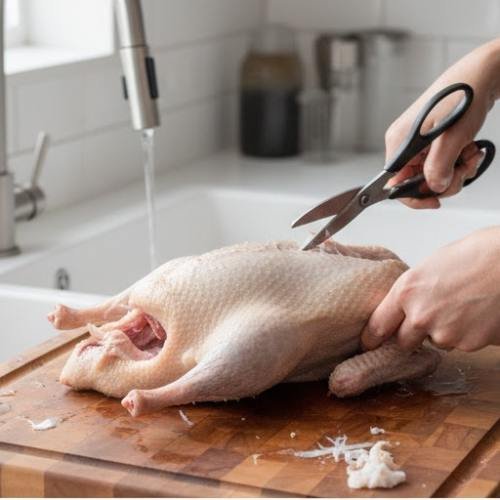
Start by taking your duck out of the packaging. You want the skin to be as pristine as possible. Using kitchen shears or a sharp cleaver, trim any excess fat from the cavity without disturbing the skin. If you bought a whole duck with feet and neck, feel free to keep the neck for roasting; it adds flavor. Remove any pin feathers you can spot and rinse the cavity thoroughly under cold water. Pat it dry with paper towels—inside and out! Don’t forget to clean your surfaces afterward.
Step 2: Season the Duck Cavity
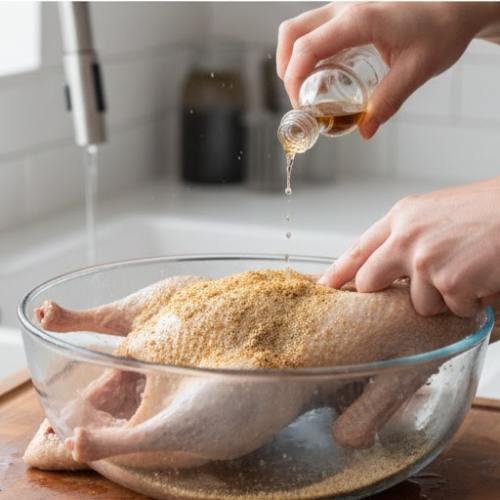
Mix the sea salt, five-spice powder, sugar, and ginger powder in a bowl. Rub this mixture all over the cavity of the duck and then splash some Shaoxing wine inside. Make sure you coat thoroughly—every nook and cranny matters. After seasoning, place the duck in the refrigerator for about an hour to allow the flavors to permeate.
Step 3: Make the Cooked Marinade
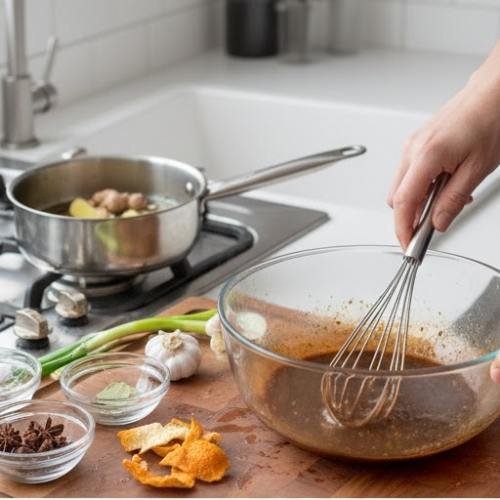
While your duck chills out, let’s whip up the marinade. In another bowl, stir together the hoisin sauce, soy sauce, and warm water until smooth. In a saucepan on medium-low heat, warm your oil. Once hot, add the ginger slices, garlic, and scallion pieces. Sauté until fragrant, then toss in your bay leaves, star anise, orange peel, and the broken cinnamon stick, continuing to cook for about a minute. Now, combine this mixture with your sauce and let it simmer gently for 10 minutes.
Step 4: Marinate and Seal the Cavity
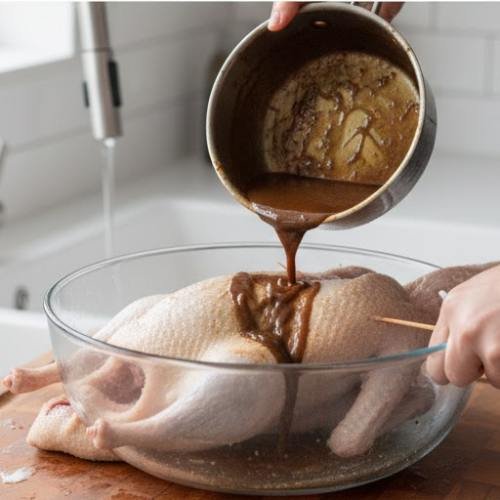
After the hour is up, take the duck out of the refrigerator and fill the cavity with your cooled marinade, using your hands to coat it well. Next, you’ll want to seal the cavity to prevent any flavor from escaping while it cooks. Insert a skewer in the creased skin at the tail end and weave it through both flaps to create an airtight seal. If you prefer, butcher’s twine works just as effectively for this step.
Step 5: Inflate the Duck
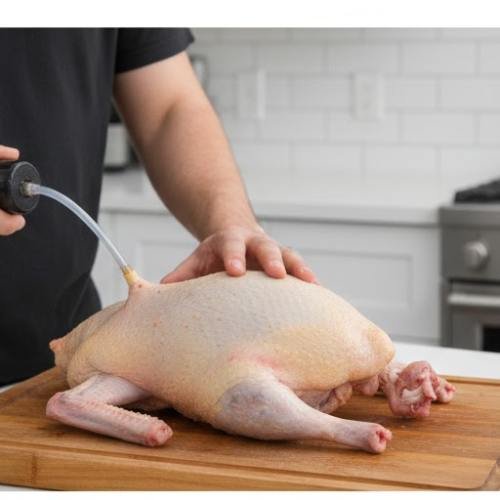
Here’s where the magic happens! If you have a small electric air pump, now’s the time to put it to use. Carefully insert a clean tube into the neck’s opening. Seal it closed with your hand and start pumping air until the skin separates from the meat. Take your time and ensure even inflation; this is key for crispy skin. Once you’ve reached satisfactory inflation, tie the neck securely to keep the air in.
Step 6: Apply the Water and Vinegar Baths
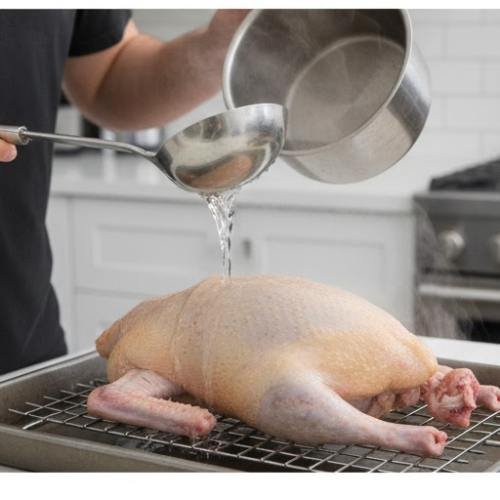
Boil 4 cups of water and place the duck on a rack in a roasting pan. One ladleful at a time, pour the boiling water over the duck—you’ll notice immediate tightening of the skin. Flip it over and do the same for the other side. Next, prepare the vinegar bath.
Combine the remaining 2 cups of water, red vinegar, maltose, and salt in a saucepan and bring to a gentle simmer. Ladle this warm solution over the duck, ensuring every part of the skin is coated, and repeat the process for both sides.
Step 7: Air-Dry and Marinate Overnight
Allow your duck to air-dry for half an hour before placing it breast-side down on a clean sheet pan. Stick it in the fridge overnight, uncovered. This allows the skin to dry out further, which is essential for achieving that fantastic roast.
Step 8: Roast the Duck
Two hours before serving, flip the duck so it’s breast-side up and let it warm to room temperature. Preheat your oven to 350°F (175°C). Line your roasting pan with heavy-duty foil and place the duck on a rack. Add the previously set aside hot water to the bottom of the pan.
Roast the duck breast-side down for 25 minutes, rotate, and continue roasting for 25 more minutes. If you notice your skin is now beautifully dark, flip it over again and continue on its back for 20 minutes, followed by another 20 minutes after rotating again until you achieve the perfect brown shade. Tent it with foil and let it rest for 20 minutes.
Step 9: Carve and Serve
When you’re ready to serve, remove the skewer from the cavity and catch any fat and juices inside using a fat separator. With the help of a cleaver, cut the duck in half lengthwise. Each piece should fall apart easily enough that you can chop it into bite-sized pieces. Serve with those delicious drippings on the side.
Tips
– Monitor the water temperature: Ensure the water for the baths is sufficiently hot to tighten the skin properly.
– Use quality ingredients: From your duck to the sauces, choosing high-quality products makes a noticeable difference.
– Let the duck rest: Don’t skip the resting period. It helps retain juices!
– Make it ahead: Marinate the day before and roast the next day to cut down on prep time.
– Experiment with sides: Try different toppings or sauces based on what you and your guests enjoy.
How to Store Leftovers?
If you find yourself with any of this succulent duck left, store it in an airtight container in the fridge. It’ll be good for about 3-4 days. For longer storage, consider shredding the duck meat and freezing it for up to 3 months. Just make sure to separate the skin if you want to keep it crispy!
How Would I Recommend Serving Asian Roast Duck?
– With Steamed Jasmine Rice: The fluffy texture has a way of soaking up that rich flavor.
– Over a Crisp Salad: Top leafy greens with shredded duck, toss with your favorite dressing, and enjoy a fresh contrast.
– In a Duck Fried Rice: Chop leftover duck into pieces and stir-fry with vegetables and rice for a cozy meal.
– With Spring Rolls: Serve small pieces of duck rolled in crispy wrappers with a sweet dipping sauce.
– With Hoisin Sauce: A classic go-to, offering that sweet and tangy balance.
What Alternatives Can You Use for the Ingredients if Not Available?
– Duck Substitute:Cornish Hen makes a great small alternative.
– Shaoxing Wine:Dry Sherry is a decent choice if you can’t find Shaoxing.
– Hoisin Sauce: You can use BBQ sauce for a different sweet and tangy profile.
– Five-Spice Powder: A blend of cinnamon, cloves, nutmeg, fennel seeds, and black pepper can mimic the flavors.
– Maltose: Swap it with honey or corn syrup for similar results.
Asian Roast Duck Recipe

Equipment
- rack
- Roasting pan
- cleaver or kitchen shears
- Bowls
- skewer or kitchen twine
- fine-mesh strainer
Ingredients
- Here’s what you’ll need for making this succulent dish:
- – 1 Whole Pekin duck about 5-6 pounds
- – ½ cup hot water for the roasting pan
For Seasoning the Duck Cavity:
- – 1½ tablespoons fine sea salt
- – 2 teaspoons five-spice powder
- – 2 teaspoons sugar
- – 1 teaspoon ginger powder
- – 2 tablespoons Shaoxing wine
For the Cooked Marinade:
- – 3 tablespoons hoisin sauce
- – 1 tablespoon soy sauce new ingredient
- – 2 tablespoons warm water
- – 1 tablespoon red fermented bean curd liquid part
- – 1 tablespoon oyster sauce
- – 2 teaspoons vegetable oil
- – 2 slices fresh ginger
- – 2 cloves garlic sliced
- – 1 scallion cut into 2-inch pieces
- – 2 dried bay leaves
- – 2 star anise
- – 1 piece dried mandarin orange peel
- – 1 stick cinnamon broken
For the Water and Vinegar Bath:
- – 6 cups water
- – 3 tablespoons Chinese red vinegar
- – 2 tablespoons maltose or corn syrup
- – 1½ teaspoons fine sea salt
- – 1 tablespoon sesame oil additional flavor
Instructions
Step 1: Trim and Clean the Duck
- Start by taking your duck out of the packaging. You want the skin to be as pristine as possible. Using kitchen shears or a sharp cleaver, trim any excess fat from the cavity without disturbing the skin. If you bought a whole duck with feet and neck, feel free to keep the neck for roasting;
- it adds flavor. Remove any pin feathers you can spot and rinse the cavity thoroughly under cold water. Pat it dry with paper towels—inside and out! Don’t forget to clean your surfaces afterward.
Step 2: Season the Duck Cavity
- Mix the sea salt, five-spice powder, sugar, and ginger powder in a bowl. Rub this mixture all over the cavity of the duck and then splash some Shaoxing wine inside. Make sure you coat thoroughly—every nook and cranny matters. After seasoning, place the duck in the refrigerator for about an hour to allow the flavors to permeate.
Step 3: Make the Cooked Marinade
- While your duck chills out, let’s whip up the marinade. In another bowl, stir together the hoisin sauce, soy sauce, and warm water until smooth. In a saucepan on medium-low heat, warm your oil. Once hot, add the ginger slices, garlic, and scallion pieces.
- Sauté until fragrant, then toss in your bay leaves, star anise, orange peel, and the broken cinnamon stick, continuing to cook for about a minute. Now, combine this mixture with your sauce and let it simmer gently for 10 minutes.
Step 4: Marinate and Seal the Cavity
- After the hour is up, take the duck out of the refrigerator and fill the cavity with your cooled marinade, using your hands to coat it well. Next, you’ll want to seal the cavity to prevent any flavor from escaping while it cooks.
- Insert a skewer in the creased skin at the tail end and weave it through both flaps to create an airtight seal. If you prefer, butcher’s twine works just as effectively for this step.
Step 5: Inflate the Duck
- Here’s where the magic happens! If you have a small electric air pump, now’s the time to put it to use. Carefully insert a clean tube into the neck’s opening. Seal it closed with your hand and start pumping air until the skin separates from the meat.
- Take your time and ensure even inflation; this is key for crispy skin. Once you’ve reached satisfactory inflation, tie the neck securely to keep the air in.
Step 6: Apply the Water and Vinegar Baths
- Boil 4 cups of water and place the duck on a rack in a roasting pan. One ladleful at a time, pour the boiling water over the duck—you’ll notice immediate tightening of the skin. Flip it over and do the same for the other side. Next, prepare the vinegar bath.
- Combine the remaining 2 cups of water, red vinegar, maltose, and salt in a saucepan and bring to a gentle simmer. Ladle this warm solution over the duck, ensuring every part of the skin is coated, and repeat the process for both sides.
Step 7: Air-Dry and Marinate Overnight
- Allow your duck to air-dry for half an hour before placing it breast-side down on a clean sheet pan. Stick it in the fridge overnight, uncovered. This allows the skin to dry out further, which is essential for achieving that fantastic roast.
Step 8: Roast the Duck
- Two hours before serving, flip the duck so it’s breast-side up and let it warm to room temperature. Preheat your oven to 350°F (175°C). Line your roasting pan with heavy-duty foil and place the duck on a rack. Add the previously set aside hot water to the bottom of the pan.
- Roast the duck breast-side down for 25 minutes, rotate, and continue roasting for 25 more minutes. If you notice your skin is now beautifully dark, flip it over again and continue on its back for 20 minutes, followed by another 20 minutes after rotating again until you achieve the perfect brown shade. Tent it with foil and let it rest for 20 minutes.
Step 9: Carve and Serve
- When you’re ready to serve, remove the skewer from the cavity and catch any fat and juices inside using a fat separator. With the help of a cleaver, cut the duck in half lengthwise. Each piece should fall apart easily enough that you can chop it into bite-sized pieces. Serve with those delicious drippings on the side.
Notes
Nutrition
FAQs
1. What kind of duck should I use?
– A Pekin Duck is commonly used for its tender meat and rich fat content.
2. Can I cook this duck in an air fryer?
– While you can cook duck in an air fryer, it will not result in the same crispiness as traditional roasting.
3. How do I know the duck is fully cooked?
– The internal temperature should reach 165°F (75°C) registers in the thickest part of the meat.
4. Can I marinate the duck longer than overnight?
– Marinating for a longer period can intensify the flavor, but aim not to exceed 24 hours.
5. Can I use this recipe for chicken?
– Yes, while chicken will yield different results, you can follow the same process adjusting cooking times based on the size.
Conclusion
Roasting an Asian Duck is definitely a labor of love, but let me tell you, it’s so worth it! When done right, it offers an explosion of flavor, impressive presentation, and plenty of opportunities to enjoy leftovers. So, whether you’re planning a quiet dinner or a big gathering, this dish guarantees a feast that will linger in your memories—and taste buds—long after the last bite. Happy cooking!