
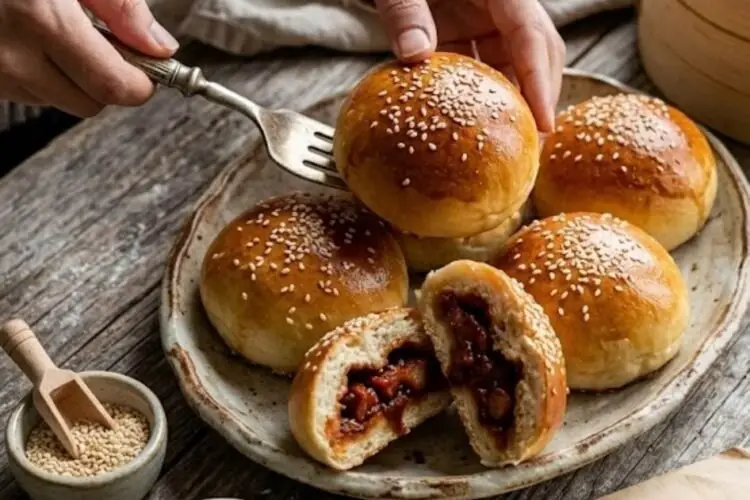
When you think of summer barbecues or cozy evenings with friends, delectable bites are essential. One dish that really shines at gatherings is baked cha siu bao. These fluffy buns filled with sweet and savory roast pork are hardly an afterthought—they steal the show.
Picture a golden, crispy exterior giving way to a luscious filling that’s bursting with flavor. Paired with a cool dip or a light salad, they make for a satisfying and crowd-pleasing appetizer. Trust me, they’ll be the first to disappear!
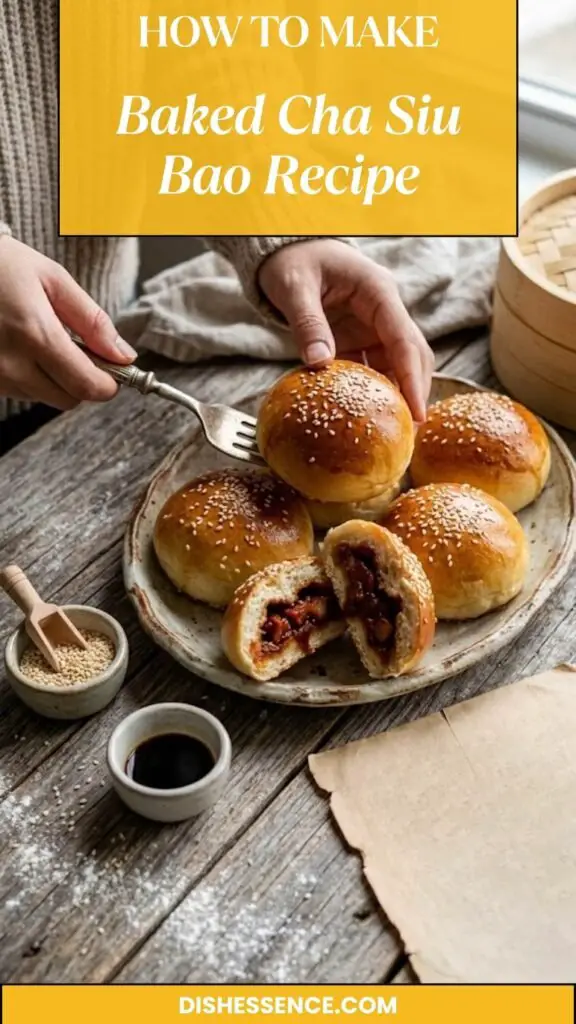
Baked cha siu bao, or BBQ pork buns, are a beloved staple in Cantonese cuisine. An enchanting shape and taste define them, making these fluffy buns a fantastic option whether you are savoring them as a snack or impressing guests at a dinner party.
Instead of relying on pre-made options, making them at home allows you to customize both the dough and filling. You’ll soon learn why they have a special place in my heart.
You Might Like These Recipes!
Big New York Cheesecake Recipe
Buckwheat Chocolate Chip Cookies Recipe
What is Baked Cha Siu Bao Recipe?
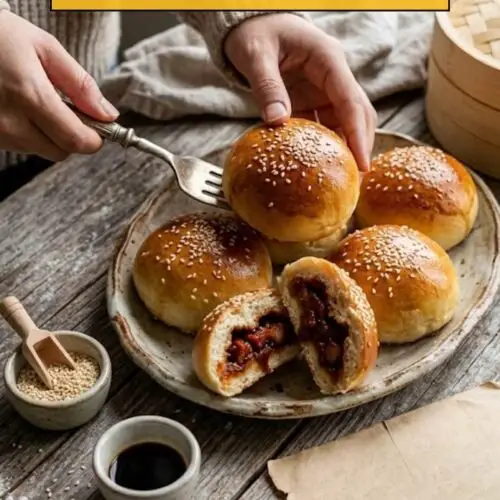
Baked cha siu bao is a delightful bun with a soft, fluffy exterior surrounding a savory filling made primarily from Chinese roast pork known as char siu. Unlike the steamed version that retains a more doughy texture inside, the baked variety offers a golden, crispy crust that contrasts perfectly with the tender, flavorful filling. The process of creating these buns may seem complex, but once you try it, you will find it quite rewarding.
What Makes This Recipe Different From Other Baked Cha Siu Bao Recipe?
My version of baked cha siu bao stands out because it strikes a balance between convenience and flavor. While many recipes use simplistic ingredients, I include subtle details that elevate the taste. For instance, the dough incorporates heavy cream and a touch of cake flour, resulting in a tender and airy texture. Additionally, I’ve taken the liberty to create a homemade filling featuring rich sauces and spices—delivering a flavor profile you won’t forget.
How Does It Taste Like?
The first bite of a baked cha siu bao is a culinary journey. You experience the flaky and slightly sweet bun that cradles the umami-packed filling of tender pork and savory sauces. This combination of flavors creates an inviting, satisfying experience—perfect for any palate. Each element from the freshly baked dough to the aromatic filling speaks of harmony, giving a comforting feel that you’ll crave again and again.
Ingredients You’ll Need To Make This Dish
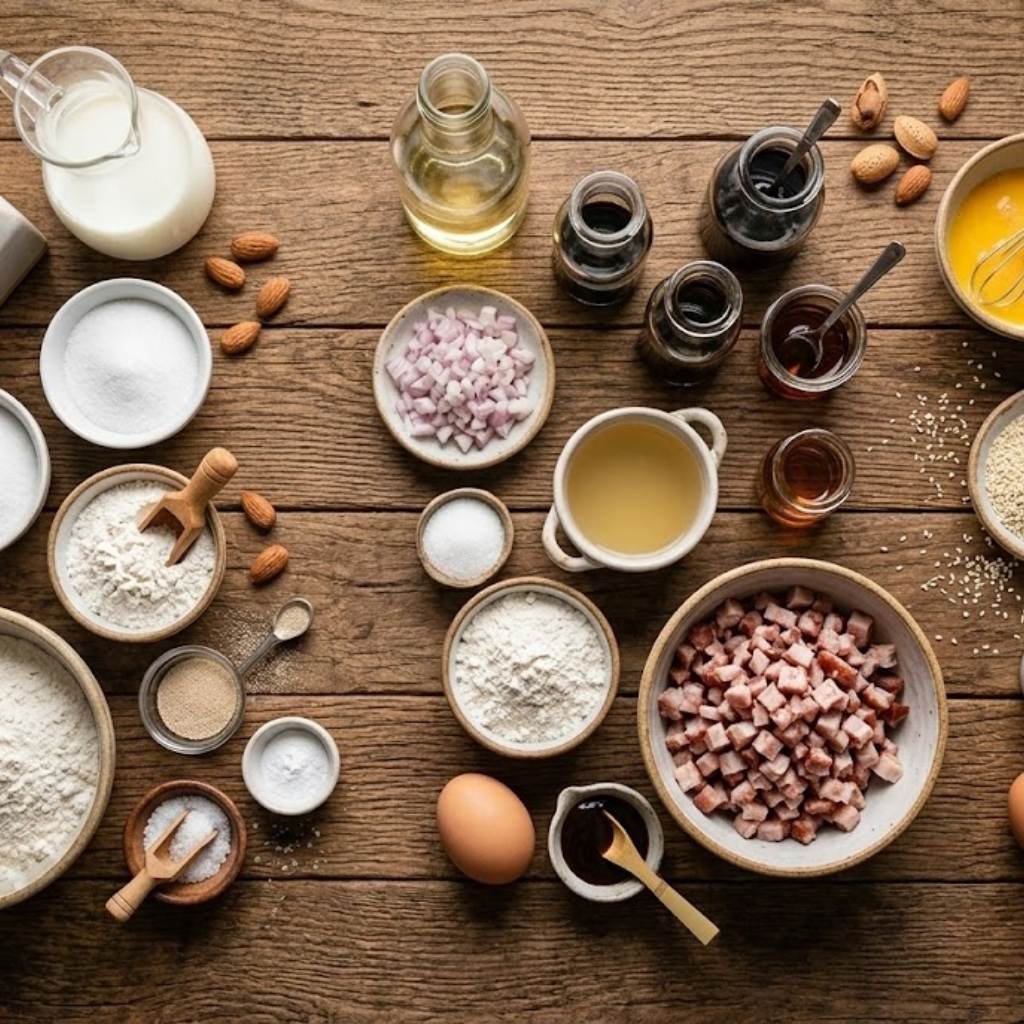
Here’s the list (with a few extra tweaks for added flavor):
For the dough:
– 2/3 cup heavy cream (at room temperature)
– 1 cup whole milk (at room temperature, or 2% if preferred)
– 1 large egg (at room temperature)
– 1/3 cup granulated sugar
– 1/2 cup cake flour (or substitute with all-purpose flour mixed with 1 tbsp cornstarch)
– 3 1/2 cups bread flour (carefully measured to avoid air pockets)
– 1 tablespoon active dry yeast (or instant yeast)
– 1 1/2 teaspoons salt
– 1 teaspoon baking powder (to help the dough rise even more)
For the filling:
– 2 tablespoons vegetable oil
– 1/2 cup shallots (or finely chopped onion)
– 2 tablespoons granulated sugar
– 2 teaspoons light soy sauce
– 2 tablespoons oyster sauce
– 1 1/2 teaspoons sesame oil
– 2 teaspoons dark soy sauce
– ¾ cup chicken stock
– 2 tablespoons all-purpose flour (to thicken the sauce)
– 2 cups finely diced Chinese roast pork (char siu)
– 1 tablespoon hoisin sauce (adds a nice sweet and savory twist)
To finish the buns:
– Egg wash (1 egg, beaten with 1 tablespoon water)
– 1 tablespoon sesame seeds (optional)
– 1 tablespoon granulated sugar dissolved in 1 tablespoon boiling water
Ingredients From : thewoksoflife.com
How to Make Baked Cha Siu Bao Recipe
Get your apron on; we’re diving into the steps of making these delicious buns. Don’t worry, I’ll walk you through this, step by step!
Step-by-Step Directions
Step 1: Create the Dough
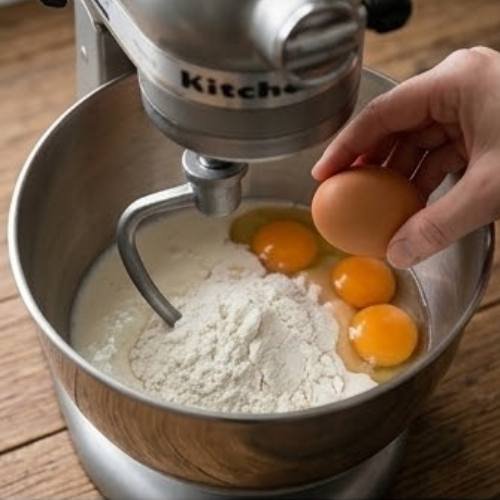
In the bowl of a stand mixer fitted with the dough hook, start by mixing the dough ingredients. First, add the heavy cream, room temperature milk, and egg. Follow with the sugar, cake flour, bread flour, yeast, and salt. This specific order helps develop the dough evenly.
Step 2: Knead the Dough
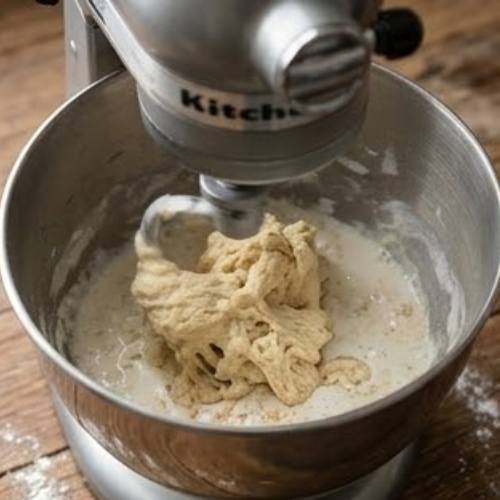
Turn the mixer to a low speed to combine the ingredients. You’re looking for a scraggly dough to form. Once it’s together, let it knead on low speed for about 15 minutes. If you notice it sticking to the sides of the bowl, turn the mixer off and help it come together with a rubber spatula. Alternatively, if you’re feeling the love for a hands-on approach, you can mix in a large bowl and knead it by hand for 20 minutes.
Step 3: Perfect the Consistency
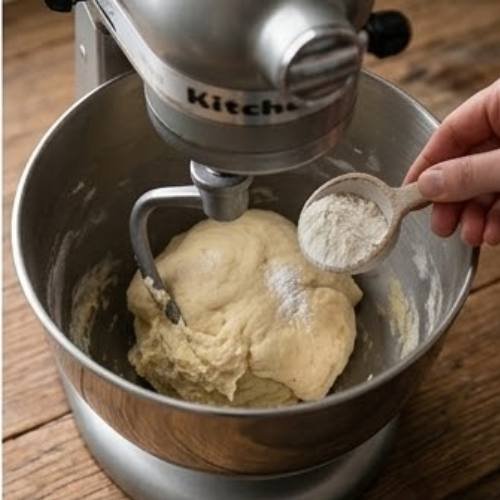
Generally, the final dough should stick to the bottom but not cling to the sides. If you find your dough is overly sticky, particularly in a humid environment, add an extra tablespoon of flour at a time until you arrive at the perfect consistency.
Step 4: Proof the Dough
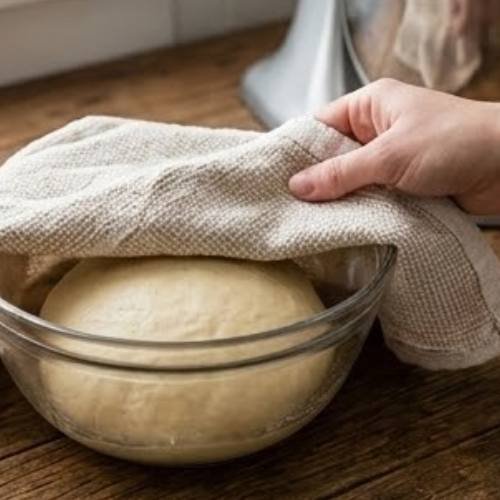
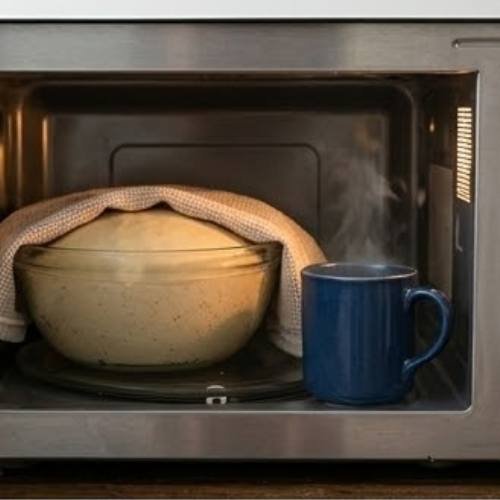
Shape the dough into a ball and cover it with a damp towel or an overturned plate. Find a warm place for proofing—for about 75 to 90 minutes—until it doubles in size. I’ve had success using a closed microwave with a mug of hot water nearby to create a gentle warmth.
Step 5: Craft the Filling
While waiting for the dough to rise, let’s whip up the filling. Dice the Chinese roast pork finely to make assembly easier. In a wok, heat 2 tablespoons of vegetable oil over medium heat, then add the shallots. Stir-fry for about 2 minutes until they become fragrant. Gradually mix in the sugar, light soy sauce, oyster sauce, sesame oil, dark soy sauce, and the hoisin sauce. Once it bubbles, incorporate the chicken stock and flour, stirring until thickened, around 2 to 3 minutes. Finally, add in the diced roast pork, combine well, then take it off the heat and let it cool on a plate.
Step 6: Prepare for Second Proofing
Once your dough has risen, give it a quick punch down to release the air and knead for another 5 minutes. Dump it onto a lightly floured surface and form a ball. Cut it into 16 equal pieces—it’s beneficial to weigh your dough for consistent sizing.
Step 7: Shape the Buns
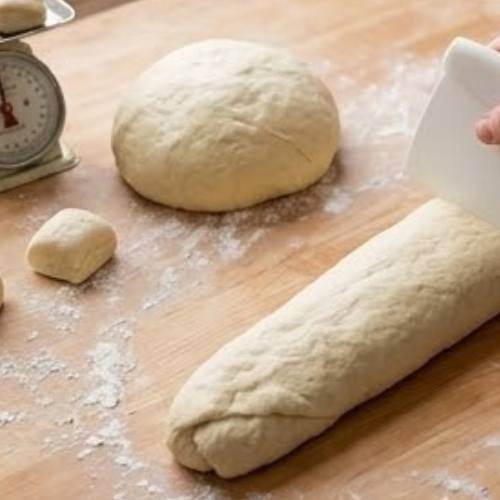
For each piece, knead out air bubbles and roll it into a circle about four inches wide. Remember to keep the center slightly thicker than the edges so that when you seal them, they hold that mouthwatering filling perfectly.
Step 8: Fill Your Buns
Add one portion of the cooled filling to the center of each dough circle. With clean hands, carefully fold the edges to crimp and seal the bun tightly, keeping all that deliciousness in. Place them seam-side down on parchment-lined baking sheets—leaving about three inches apart.
Step 9: Final Rise
Cover the shaped buns with a clean towel and let them rise at room temperature for another hour.
Step 10: Bake Away
Preheat your oven to 400°F (200°C) with racks in the top and bottom thirds. Once heated, brush your buns with the egg wash and sprinkle them with sesame seeds, if desired. Lower the oven temperature to 350°F (175°C) immediately after placing the buns inside. Bake for about 22-25 minutes, until they turn a lovely golden-brown color.
Step 11: Sweet Finish
As soon as they come out of the oven, brush the warm buns with the sugar syrup to give that extra shine and a subtle sweetness. Let them cool for a bit before you dig in!
Tips & Tricks on Making Baked Cha Siu Bao Recipe
– Room Temperature Ingredients: Make sure your cream, milk, and egg are at room temperature to help the dough rise properly.
– Watch the Proofing: Humidity can affect your dough. If it feels sticky, add flour gradually until it feels just right.
– Don’t Rush Cooling: Let your filling cool completely before stuffing the buns to avoid sogginess and ensure they hold together.
– Clean Hands Are Key: Keeping your hands free of grease when sealing the buns will help them close securely.
– Enjoy Variations: Feel free to add other ingredients to your filling, such as diced vegetables or mushrooms, to cater to personal tastes.
How Do I Store This Dish?
Once you’ve made your delightful baked cha siu bao, you can store them in an airtight container for up to three days. For longer storage, freeze them individually. When ready to enjoy, simply reheat in an oven at 350°F (175°C) for about 10 minutes, or until warmed through.
Nutrition Information
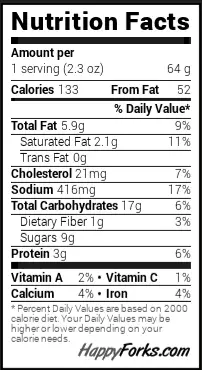
Each bun packs a punch of flavor along with about 200 calories. They’re a good source of protein and carbs coming from the pork and dough, respectively. While it’s a treat, moderation is key, especially since these can easily become addictive!
Serving Suggestions
– As an Appetizer: Serve baked cha siu bao as a delightful starter at gatherings. Pair them with a light soy dipping sauce for an authentic taste.
– With Soup: They can be served alongside a hot bowl of wonton or hot and sour soup for a comforting meal.
– On a Platter: Place these buns on a sharing platter with a variety of other dim sum options for a stunning presentation.
– With Pickled Vegetables: The sweetness of the buns contrasts beautifully with sharp pickles—umbrella flavors that meld delightfully together.
– For a Snack: Perfect for afternoon tea or marketed as a quick work-from-home snack when things get busy!
What Other Substitute Can I Use in Baked Cha Siu Bao Recipe?
– Pork Alternatives: Use diced chicken, turkey, or even tofu for a vegetarian take on the filling—just adjust flavors accordingly.
– Flour Choices: If you can’t find bread flour, use all-purpose flour, but the dough may not be as chewy.
– Cooking Oils: Swap vegetable oil for canola or grapeseed oil; the flavor won’t significantly alter.
– Sauce Variations: If you want to switch up the flavor profile, experiment with a different type of sauce, such as sriracha for some heat.
– Sweeteners: For a twist, consider honey or maple syrup instead of granulated sugar in the filling.
Baked Cha Siu Bao Recipe

Equipment
- Stand mixer
- Mixing Bowl
- Rolling pin
- Baking sheets
- Parchment paper
- wok
- measuring cups
- spoons
Ingredients
- Here’s the list with a few extra tweaks for added flavor:
For the dough:
- – 2/3 cup heavy cream at room temperature
- – 1 cup whole milk at room temperature, or 2% if preferred
- – 1 large egg at room temperature
- – 1/3 cup granulated sugar
- – 1/2 cup cake flour or substitute with all-purpose flour mixed with 1 tbsp cornstarch
- – 3 1/2 cups bread flour carefully measured to avoid air pockets
- – 1 tablespoon active dry yeast or instant yeast
- – 1 1/2 teaspoons salt
- – 1 teaspoon baking powder to help the dough rise even more
For the filling:
- – 2 tablespoons vegetable oil
- – 1/2 cup shallots or finely chopped onion
- – 2 tablespoons granulated sugar
- – 2 teaspoons light soy sauce
- – 2 tablespoons oyster sauce
- – 1 1/2 teaspoons sesame oil
- – 2 teaspoons dark soy sauce
- – ¾ cup chicken stock
- – 2 tablespoons all-purpose flour to thicken the sauce
- – 2 cups finely diced Chinese roast pork char siu
- – 1 tablespoon hoisin sauce adds a nice sweet and savory twist
To finish the buns:
- – Egg wash 1 egg, beaten with 1 tablespoon water
- – 1 tablespoon sesame seeds optional
- – 1 tablespoon granulated sugar dissolved in 1 tablespoon boiling water
Instructions
Step 1: Create the Dough
- In the bowl of a stand mixer fitted with the dough hook, start by mixing the dough ingredients. First, add the heavy cream, room temperature milk, and egg. Follow with the sugar, cake flour, bread flour, yeast, and salt. This specific order helps develop the dough evenly.
Step 2: Knead the Dough
- Turn the mixer to a low speed to combine the ingredients. You’re looking for a scraggly dough to form. Once it’s together, let it knead on low speed for about 15 minutes. If you notice it sticking to the sides of the bowl, turn the mixer off and help it come together with a rubber spatula. Alternatively, if you’re feeling the love for a hands-on approach, you can mix in a large bowl and knead it by hand for 20 minutes.
Step 3: Perfect the Consistency
- Generally, the final dough should stick to the bottom but not cling to the sides. If you find your dough is overly sticky, particularly in a humid environment, add an extra tablespoon of flour at a time until you arrive at the perfect consistency.
Step 4: Proof the Dough
- Shape the dough into a ball and cover it with a damp towel or an overturned plate. Find a warm place for proofing—for about 75 to 90 minutes—until it doubles in size. I’ve had success using a closed microwave with a mug of hot water nearby to create a gentle warmth.
Step 5: Craft the Filling
- While waiting for the dough to rise, let’s whip up the filling. Dice the Chinese roast pork finely to make assembly easier. In a wok, heat 2 tablespoons of vegetable oil over medium heat, then add the shallots. Stir-fry for about 2 minutes until they become fragrant. Gradually mix in the sugar, light soy sauce, oyster sauce, sesame oil, dark soy sauce, and the hoisin sauce. Once it bubbles, incorporate the chicken stock and flour, stirring until thickened, around 2 to 3 minutes. Finally, add in the diced roast pork, combine well, then take it off the heat and let it cool on a plate.
Step 6: Prepare for Second Proofing
- Once your dough has risen, give it a quick punch down to release the air and knead for another 5 minutes. Dump it onto a lightly floured surface and form a ball. Cut it into 16 equal pieces—it’s beneficial to weigh your dough for consistent sizing.
Step 7: Shape the Buns
- For each piece, knead out air bubbles and roll it into a circle about four inches wide. Remember to keep the center slightly thicker than the edges so that when you seal them, they hold that mouthwatering filling perfectly.
Step 8: Fill Your Buns
- Add one portion of the cooled filling to the center of each dough circle. With clean hands, carefully fold the edges to crimp and seal the bun tightly, keeping all that deliciousness in. Place them seam-side down on parchment-lined baking sheets—leaving about three inches apart.
Step 9: Final Rise
- Cover the shaped buns with a clean towel and let them rise at room temperature for another hour.
Step 10: Bake Away
- Preheat your oven to 400°F (200°C) with racks in the top and bottom thirds. Once heated, brush your buns with the egg wash and sprinkle them with sesame seeds, if desired. Lower the oven temperature to 350°F (175°C) immediately after placing the buns inside. Bake for about 22-25 minutes, until they turn a lovely golden-brown color.
Step 11: Sweet Finish
- As soon as they come out of the oven, brush the warm buns with the sugar syrup to give that extra shine and a subtle sweetness. Let them cool for a bit before you dig in!
Notes
Nutrition
FAQs
How can I make the dough more flavorful?
You could try adding a teaspoon of five-spice powder or a pinch of salt to the dough for added depth.
Can I make these buns vegan?
To create a vegan version, substitute the milk with almond or soy milk, use coconut cream instead of heavy cream, and replace the egg with a flaxseed egg.
Why did my buns come out dense?
If your buns are dense, they might not have risen enough during the proofing stage. Make sure your yeast is fresh and that the dough is given enough time to rise.
What should I do if I can’t find char siu?
You can either make your own char siu or use any cooked pork with similar flavors, like spicy BBQ pork or even some teriyaki chicken would do the trick.
How do I know when my buns are done baking?
You’re looking for a golden brown hue on top. A good idea is to use a food thermometer to ensure they are cooked through—the internal temperature should reach about 190°F (88°C).
Conclusion
Crafting baked cha siu bao might seem labor-intensive, but the results are incredibly rewarding. You get to enjoy that perfect blend of fluffy dough and flavorful filling—all made in the comfort of your kitchen. The aroma wafting through your home while baking will win you over, but nothing compares to biting into one of these delectable buns.
Don’t hesitate to make these for your next gathering or cozy night in—they’re sure to become a favorite! Enjoy the adventure, and happy cooking!