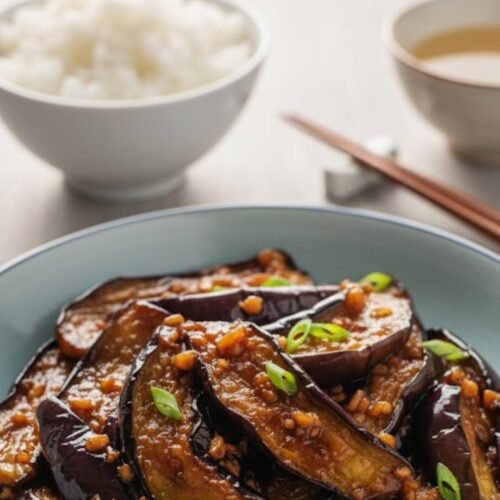
Asian Eggplant Recipes Healthy

Asian eggplant, with its glossy skin and tender flesh, offers a unique canvas for flavor. It shines beautifully in stir-fries, absorbing all the delightful spices and sauces. In this recipe, we’ll elevate Asian eggplant to new heights, showcasing its healthy benefits while delivering a dish that is hearty enough to stand on its own or complement any meal.
Equipment
- Large bowl
- nonstick skillet
- Small bowl
- Spatula
Ingredients
- Here's a breakdown of the essential ingredients revised for uniqueness:
- - 10 oz of Chinese eggplant around two small eggplants, diced into bite-sized chunks
- - 1 teaspoon sea salt
- - 1 tablespoon of cornstarch
- - 1 tablespoon of soy sauce light or regular
- - 1 tablespoon of water
- - 1/2 teaspoon of dark soy sauce
- - 2 teaspoons of sugar
- - 1 teaspoon of cornstarch for the sauce
- - 2 tablespoons of peanut oil or vegetable oil
- - 1 teaspoon of fresh ginger finely minced
- - 3 cloves of garlic chopped
- - 1 teaspoon of sesame oil for an extra kick
- - 1/2 cup of bell peppers diced (optional addition for crunch and color)
Instructions
Step 1: Prepare the Eggplant
- First things first, either method you choose will work well. Place your diced eggplant in a large bowl and pour enough water over it to cover the pieces. Sprinkle in the sea salt and stir well to combine. To weigh the eggplant down, place a pot lid on top, ensuring it stays submerged. Let it rest for about 15 minutes. Alternatively, if you prefer the paper towel method, layer the sliced eggplant on a paper towel and sprinkle kosher salt on both sides. Allow it to rest for the same duration. This process helps to draw out any bitterness and soften the eggplant.
Step 2: Rinse and Dry
- Once the 15 minutes are up, drain the eggplant (whichever method you used) and rinse it under running tap water if you used the salting technique. Pat them down thoroughly with a kitchen towel or paper towels. This step ensures a firmer texture for your eggplant and gets rid of excess moisture.
Step 3: Mix the Sauce
- In a small bowl, combine the light soy sauce, water, dark soy sauce, sugar, and cornstarch for the sauce. Mix everything well until the cornstarch fully dissolves. Set this bowl aside; we'll use this mixture shortly.
Step 4: Coat the Eggplant
- Now it's time to add some crunch to our eggplant! Sprinkle the tablespoon of cornstarch over the eggplant pieces, and toss them by hand until they’re evenly coated. This will aid in creating a nice texture during cooking.
Step 5: Heat the Oil
- Heat two tablespoons of peanut oil (or vegetable oil) in a large nonstick skillet over medium-high heat. Give the oil a moment to get hot but be careful not to let it smoke.
Step 6: Cook the Eggplant
- Carefully spread the battered eggplant across the bottom of the skillet, without overlapping them. Allow them to sizzle away, cooking one side at a time until they’re beautifully charred and tender—about 8 to 10 minutes in total. If the skillet begins to smoke, lower the heat slightly. Once done, transfer the eggplant to a plate.
Step 7: Sauté the Aromatics
- In the now-empty skillet, add the remaining 1/2 teaspoon of oil along with the minced ginger and chopped garlic. Stir these ingredients for a minute or two until they release their delicious fragrance.
Step 8: Bring It All Together
- Return the cooked eggplant to the skillet. Re-mix the sauce to make sure everything is blended, then pour it over the eggplant. Stir everything together for a couple of minutes until the eggplant is well-coated and the sauce thickens slightly.
Step 9: Ready to Serve
- Transfer the final dish to a large plate or serving bowl. Enjoy hot as a satisfying side or as a delightful main dish over a bed of steamed rice or alongside noodles.
Notes
- Salt Control: If you're watching your sodium intake, feel free to adjust the salt in the recipe or opt for reduced-sodium soy sauce.
- Peanut Oil Alternatives: Vegetable oil or canola oil works just as well and offers a neutral flavor profile.
- Add More Veggies: Feel free to toss in additional vegetables like bell pepper or broccoli for added nutrition and color!
- Eggplant Cutting: Ensure your eggplant is cut into even bite-sized pieces for uniform cooking.
- Sauce Consistency: If you prefer a thicker sauce, let it cook for an additional minute or two while stirring frequently.
Nutrition
Calories: 180kcalCarbohydrates: 11gFat: 8.7gPotassium: 252mgFiber: 3.7gSugar: 5.1g
Tried this recipe?Let us know how it was!