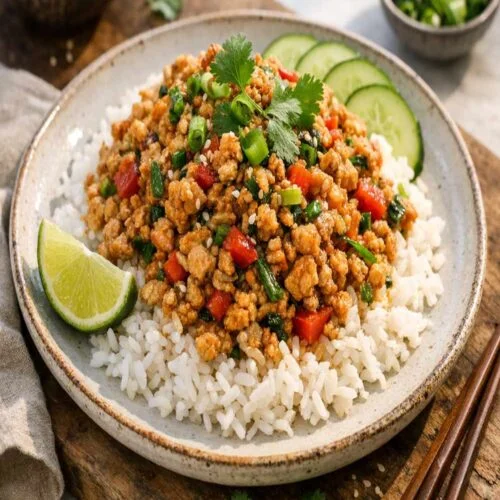
Asian Ground Chicken Recipe

When I think about weeknight dinners that feel both nourishing and exciting, this Asian-inspired ground chicken dish is always on my rotation. It comes together in under 30 minutes, delivers incredible flavor, and gives you a complete meal packed with protein and vegetables. Whether you're serving it in crisp lettuce cups, atop a vibrant bean sprouts salad, or over rice, this recipe proves that eating well doesn't require hours in the kitchen or a list of complicated ingredients.
Ingredients
For the Protein Base
- 1 pound ground chicken preferably 93/7 lean-to-fat ratio for best flavor and nutrition
- 1 tablespoon peanut oil high smoke point, essential for proper browning
For the Aromatics and Vegetables
- ½ medium onion finely diced, about ¾ cup
- 1 cup red or green bell pepper finely diced, about 1 large pepper
- 2 tablespoon fresh ginger minced, adds warmth and aids digestion
- ½ tablespoon minced garlic fresh, not jarred, for best flavor
- 8 ounce water chestnuts drained and finely diced, canned is perfectly fine
For the Sauce
- ½ teaspoon garlic powder concentrated flavor, less moisture than fresh
- 3 tablespoon hoisin sauce adds depth and subtle sweetness
- 1 tablespoon natural peanut butter creamy texture, adds richness and protein
- 3 tablespoon low-sodium soy sauce reduces excess sodium while maintaining umami
- ¼ teaspoon ground ginger optional but recommended for added warmth
- 2 teaspoon sweet chili sauce adjust up or down based on heat preference
- 1 tablespoon unseasoned rice vinegar brightens flavors and aids digestion
- 1 tablespoon toasted sesame oil use the darker variety for authentic flavor
- 1 tablespoon raw honey subtle sweetness that balances heat and salt
For Finishing and Serving
- ¼ cup roasted peanuts crushed, adds crunch and additional protein
- ¼ cup fresh green onions sliced, adds fresh allium bite
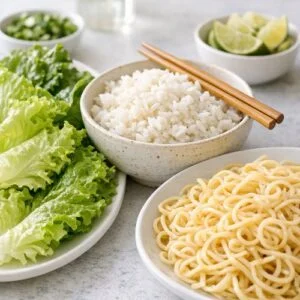
- Butter lettuce or your favorite crisp Asian lettuce or serve over salad, rice, or noodles
Instructions
Step 1: Prepare Your Sauce Base
- In a small bowl, whisk together your soy sauce, hoisin, sesame oil, rice vinegar, peanut butter, honey, chili sauce, garlic powder, and ground ginger. Stir this mixture until completely smooth and well combined. If you're using conventional peanut butter (rather than natural), you may find the mixture is slightly thick. If this happens, microwave the bowl for 15-20 seconds to warm it, then whisk again. The goal is a sauce that's pourable but still substantial. Set this aside—you'll use it later, and having it ready means you won't be scrambling once the chicken is cooking.
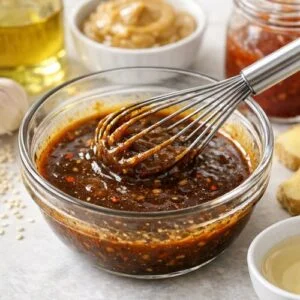
Step 2: Heat Your Oil and Begin Browning the Chicken
- Place a large skillet or wok over medium-high heat. Add your peanut oil and let it heat for about 1-2 minutes until it shimmers and moves easily across the pan—this is your signal that it's hot enough. Add your ground chicken, breaking it apart with a wooden spoon or spatula as it cooks. You're looking for the chicken to lose its pink color and develop some light browning on the edges. This takes approximately 5-7 minutes. Don't walk away from the stove during this step. Stir occasionally, but not constantly—letting the meat sit for 30-second intervals allows the Maillard reaction to develop those deeply savory flavors that make this dish so satisfying.
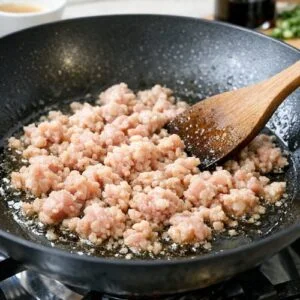
Step 3: Add Your Aromatics
- Once the chicken is mostly cooked through (there can be a tiny bit of pink remaining), add your diced onion and minced garlic. Stir well to distribute them throughout the chicken. Cook for 2-3 minutes until the onion becomes translucent and the garlic is fragrant. You'll notice the kitchen smelling absolutely incredible at this point—that's your signal that the aromatics are releasing their flavor compounds.
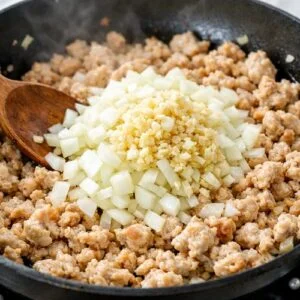
Step 4: Introduce Your Vegetables
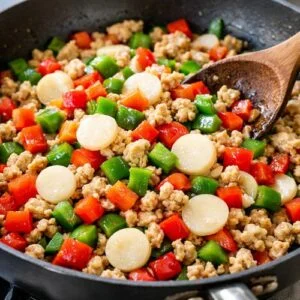
- Add the diced bell peppers and drained water chestnuts to the pan. Stir everything together so the vegetables are distributed evenly. Cook for approximately 5 minutes, stirring occasionally, until the peppers soften slightly but still maintain some bite. You want them tender enough to eat easily, but still with a hint of their fresh crispness. The water chestnuts should warm through but don't need any special cooking—they're already tender from the canning process.
Step 5: Combine Everything With Your Sauce
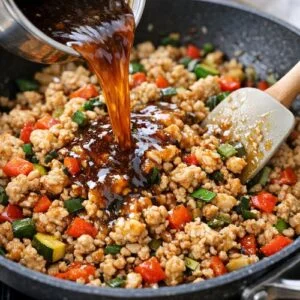
- Pour your prepared sauce over the chicken and vegetables. Using a spoon or silicone spatula, gently fold everything together, ensuring every piece of chicken and every vegetable gets coated with the sauce. Reduce your heat to low and simmer for 2-3 minutes until everything is heated through and the sauce coats the chicken. You should see a glossy sheen developing over the mixture. Taste the dish at this point. If you'd like it spicier, you can add another teaspoon of chili sauce. If it tastes too salty, a splash of water will dilute it slightly. This is your moment to personalize it to your preferences.
Step 6: Prepare Your Serving Vehicle and Finish
- While your chicken is simmering, prepare your serving base—whether that's arranging lettuce leaves on a platter, cooking rice, preparing noodles, or assembling your salad base. Once your chicken is ready, transfer it to a serving dish and top with crushed peanuts and fresh sliced green onions. These final touches add texture, freshness, and visual appeal.
Notes
- Don't skip the initial browning step - This is where serious flavor develops. If you add everything at once or rush this stage, you'll end up with boiled chicken instead of beautifully browned, flavorful chicken. Give it the time it deserves.
- Use fresh garlic and ginger - While pantry staples like garlic powder have their place, fresh aromatics are absolutely worth the minimal effort here. The difference in final flavor is significant. If you only have jarred minced garlic, use it, but reduce slightly since it's more concentrated.
- Don't overcrowd your pan - Use a large skillet (at least 12 inches) or a wok. If your pan is too small, the chicken will steam instead of brown, and your vegetables won't cook evenly. A spacious pan is one of the best investments you can make in your kitchen.
- Taste as you go - Everyone's preference for salt, spice, and sweetness is different. Make it a habit to taste at the end and adjust with a pinch of additional chili sauce, a squeeze of lime juice, or a drizzle of sesame oil based on what your palate is telling you.
- Keep your ingredients measured before you start cooking - Professional chefs call this "mise en place," and it's a game-changer for stress-free cooking. Once you start cooking chicken, things move quickly, and you don't want to be hunting for soy sauce or measuring honey while something is burning on the stove.
- Quality sesame oil matters - Invest in toasted (darker) sesame oil, not the clear variety. The flavor difference is tremendous, and a little goes a long way. Store it in your pantry away from heat, or even in the refrigerator to extend its shelf life.
Nutrition
Calories: 209kcalCarbohydrates: 14gProtein: 18gFat: 9gSaturated Fat: 1gCholesterol: 43mgSodium: 675mgFiber: 1gSugar: 8g
Tried this recipe?Let us know how it was!